Better access can simplify every future visit
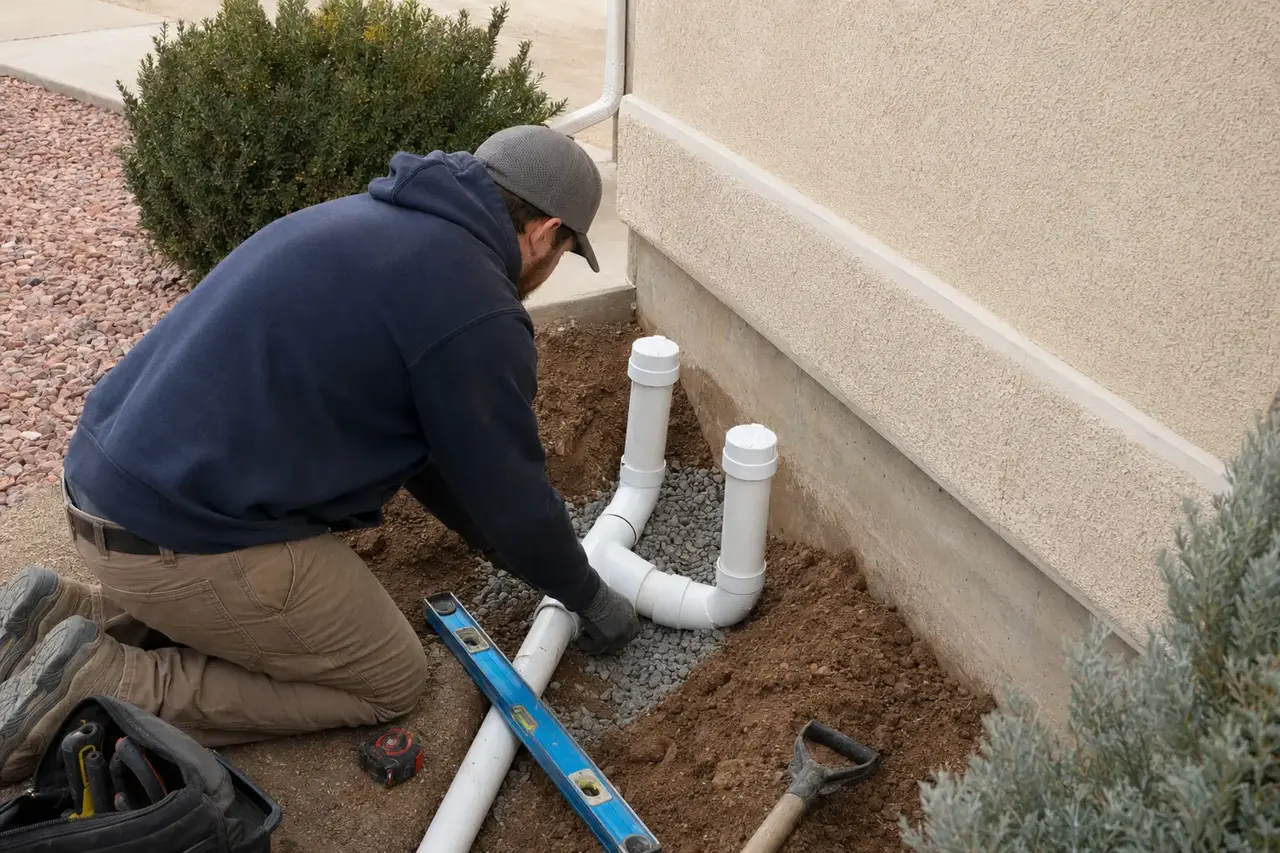
Some properties have no visible exterior cleanout, an undersized access point, a damaged cap, or a cleanout buried by landscaping. A two-way cleanout can provide access toward both the building and the public connection when properly designed.
Location and configuration must follow applicable plumbing requirements. The cleanout should be protected from vehicles, landscaping damage, freezing conditions, and accidental opening while remaining accessible.
- Repeated toilet removal for main-line access
- Camera cannot view the complete lateral
- Existing cleanout is damaged or buried
- Replacement project already exposes the line
A useful cleanout needs the right direction and protection
The project may require locating and exposing the line, verifying size and material, cutting in an approved fitting, maintaining alignment and support, testing the connection, and restoring the surface.
The cleanout configuration should show whether equipment can travel in both directions, how the opening will be identified at grade, and what protection is used in traffic areas.
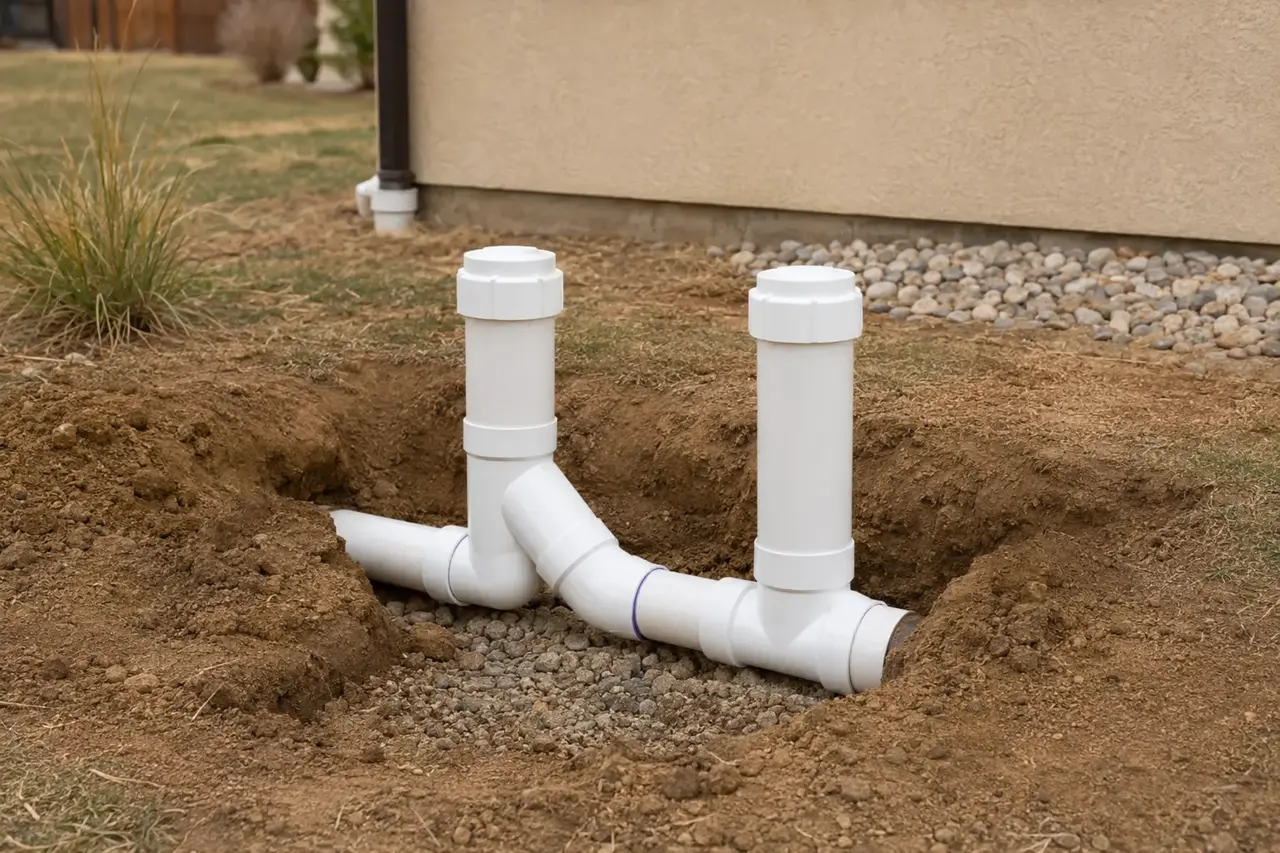
Location, height, fittings, protection, and future equipment access matter long after the installation is complete.
What a sewer cleanout provides
A cleanout is a capped fitting arranged to give equipment access to the drainage or building-sewer system. It can allow a cable, jetting hose, camera, or locating sonde to enter without removing a toilet or opening interior piping. Accessible exterior cleanouts can also help contain mess and allow the full private lateral to be inspected.
Cleanout configuration matters. A one-way fitting may provide access in only one direction, while an approved two-way arrangement can allow travel toward the building and toward the public connection. Diameter, sweep, orientation, and grade affect whether service equipment can pass without binding.
Reasons to add or replace a cleanout
Some older properties have no visible exterior cleanout, an access point buried by grading or landscaping, a damaged cap, or a small fitting unsuitable for modern equipment. A repair or replacement project can be an efficient time to add compliant access while the line is already exposed.
Repeated toilet removal increases labor and can introduce interior mess or risk to the fixture and seal. Inadequate access can also prevent the camera from viewing the full lateral. A properly placed cleanout supports faster diagnosis during a future backup and creates a consistent point for distance measurements.
Placement should support today’s installation and future inspection or cleaning equipment.
- 01Symptoms
Record which fixtures are affected, when the problem began, and whether it returns.
- 02Access
Identify a usable cleanout or another safe point for the required equipment.
- 03Evidence
Clean, inspect, and locate as needed to document the actual underground condition.
- 04Scope
Match the service method and restoration plan to what the evidence supports.
Installation and protection considerations
Installation generally involves locating and exposing the existing pipe, verifying material and diameter, cutting in an approved fitting, maintaining alignment and support, making watertight transitions, testing, and restoring the surface. Permit and inspection requirements depend on the location and work.
The cleanout should remain visible and accessible without becoming a trip, mower, vehicle, or freeze hazard. Traffic-rated protection may be needed in driveways or commercial areas. Landscaping should not bury the cap, and the cover should be secure enough to prevent accidental opening while remaining serviceable.
Make sure the new access actually reaches the line
The proposal should identify where the cleanout will sit, which directions it serves, its diameter, fitting type, cap and protection, and whether it provides access to the entire lateral. Clarify excavation, permits, testing, backfill, concrete or landscaping restoration, and how the location will be documented.
A cleanout improves access but does not prevent clogs or repair defects elsewhere in the line. If installation is proposed because equipment repeatedly stops, a camera and locate should determine whether access is the only limitation or whether an offset, collapse, or unusual configuration also needs correction.
- Correct size and sweep
- Useful service direction
- Accessible finished elevation
- Protection from traffic and landscaping
- Location added to property records
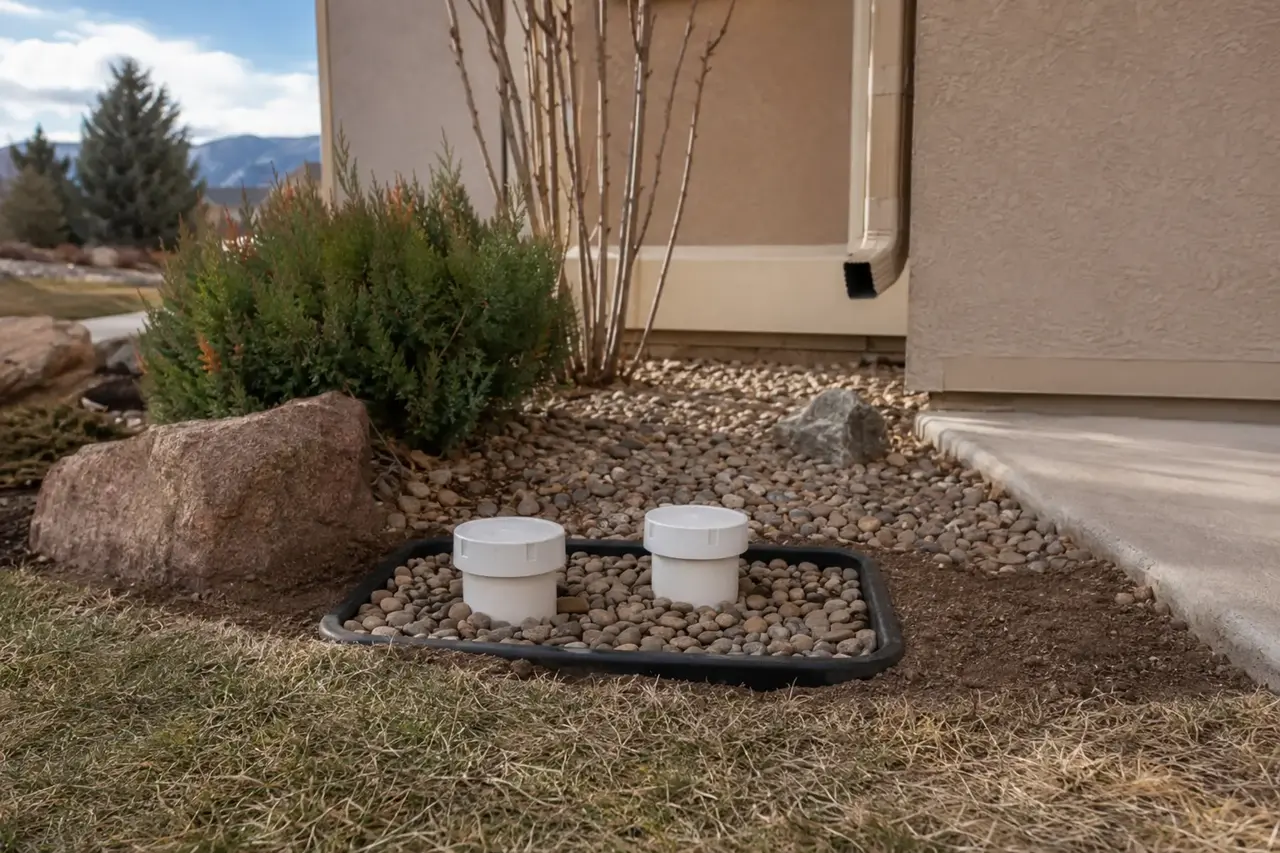
Placement and finish details determine whether future camera, cable, or jetting equipment can use the access safely.
Keep the cleanout visible, protected, and ready for equipment
Keep the cap visible, secure, and accessible. Do not bury it beneath permanent landscaping, pour concrete over it, or allow vehicles to strike an unprotected fitting. If the cleanout sits in a traffic area, use the specified box or cover and inspect it after heavy impact or settlement.
A cleanout should normally remain capped. An open or loose fitting can release sewer gas, admit debris or stormwater, and create a sanitation hazard. If wastewater rises at the cleanout, stop plumbing use and request service rather than simply removing the cap and allowing sewage to spill onto the property.
Add the cleanout location and direction to the property map. Note whether it serves the building, street, or both. Pipe condition should still be evaluated before aggressive cutters or pressure are used. Better access improves service; it does not make every cleaning method safe for every line.
- Keep the cap visible and sealed
- Protect it from traffic
- Do not use it as an overflow
- Document size and service direction
Design access around the equipment that must use it
Discuss the equipment likely to use the cleanout. A camera, cable machine, jetting hose, or larger commercial tool may need different diameter and turning space. The fitting should support the intended service direction without forcing equipment through a sharp or restrictive path.
More cleanouts are not automatically better, but access at meaningful transitions or long runs can improve coverage. The design should balance serviceability with code, cost, surface use, and protection. Labeling or mapping each cleanout prevents incorrect assumptions about which direction or system each visible cap serves.
Material, cracks, joints, offsets, corrosion, roots, and surrounding usable pipe.
Depth, route, utilities, structures, pavement, landscaping, and equipment space.
Testing, backfill, cleanup, restoration, records, exclusions, and warranty.