Public sewer or septic? Start there.
Some properties connect to public sewer while others rely on on-site wastewater treatment. The symptoms can look similar, but the required inspection method, equipment, and permitting path may differ.
Share the property address, whether the home uses sewer or septic, where backups appear, and any previous inspection or pumping information. For septic-connected homes, the issue may involve the building sewer, tank, distribution components, or disposal field.
- Confirm public sewer or septic
- Locate accessible cleanouts
- Note repeated backups or slow drains
- Share prior camera or septic findings
Longer runs and larger lots change the field work
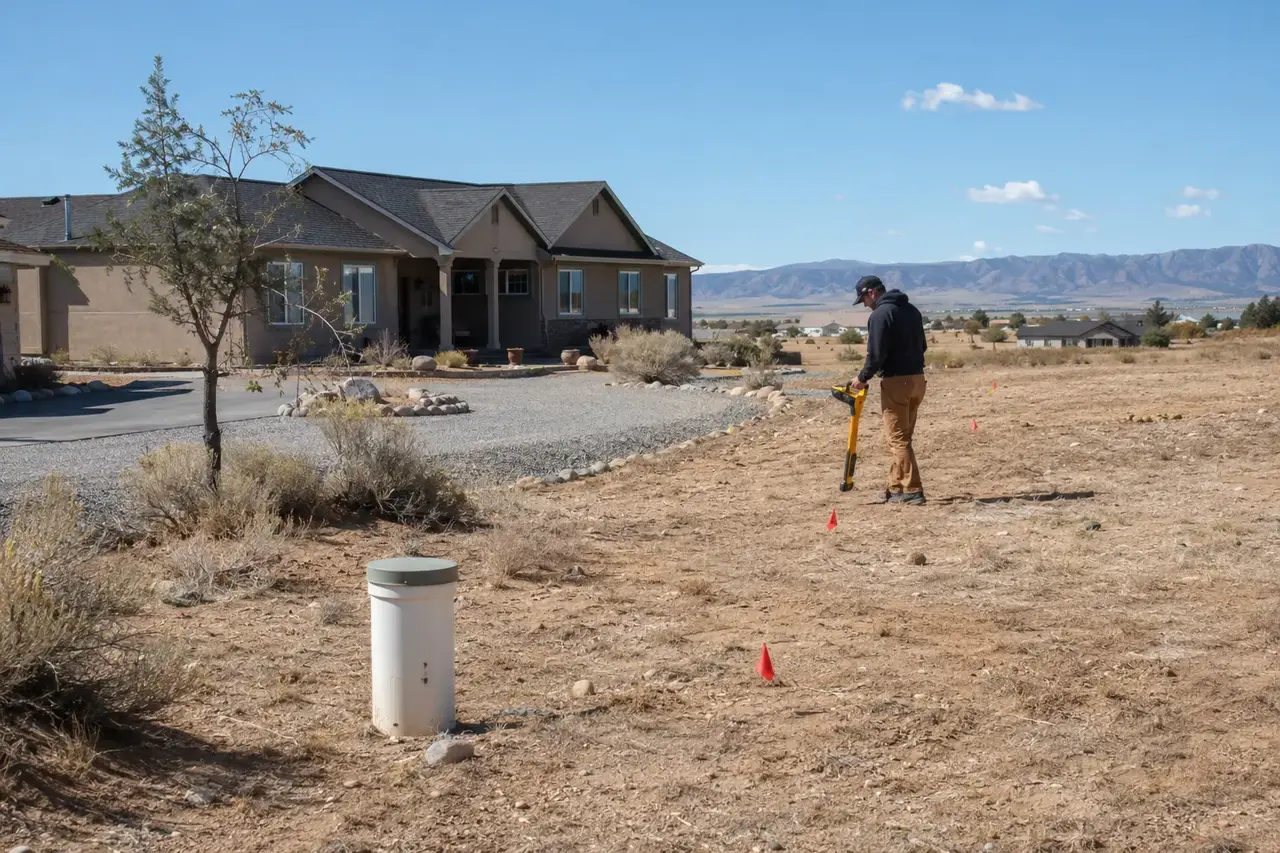
Longer private runs, large lots, driveways, outbuildings, and variable soil conditions can affect locating and excavation. Accurate utility marking and camera locating help define the line route before digging.
The written scope should separate sewer-line work from septic-tank or disposal-field work so responsibilities and costs are clear.
Public sewer and on-site wastewater differences
Pueblo West properties do not all share the same wastewater arrangement. Some connect to centralized sewer service, while others use an on-site wastewater treatment system. Before scheduling work, confirm whether the building sewer leads to a public or district connection or to a septic tank.
The symptoms can overlap. Multiple slow fixtures and a lowest-drain backup may result from a blocked building sewer in either system. On a septic property, however, a full tank, inlet or outlet problem, effluent piping issue, or soil-treatment problem can also restrict flow. Clearing the pipe does not correct a failed tank or absorption area, and pumping the tank does not repair a collapsed building sewer.
Large lots, long runs, and locating
Pueblo West's larger parcels and varied development patterns can produce longer private sewer or septic runs, multiple outbuildings, long driveways, and limited records. Accurate camera locating helps map the route and defect before excavation. Photographs, depth estimates, and distances from permanent landmarks should be saved.
Longer runs may require intermediate cleanouts or access from more than one direction. The camera may not reach the entire line from an interior opening. A proposal should state which section was viewed, where access exists, and whether a new cleanout would improve cleaning and inspection.
Soil, access, and surface restoration
Excavation planning considers pipe depth, soil stability, equipment route, buried utilities, landscaping, gravel or paved driveways, fencing, and structures. Open land does not eliminate utility-marking or permit requirements. Private utilities such as irrigation, propane, and secondary electrical lines may require separate locating.
Restoration expectations should match the site. Gravel needs grading and replacement, concrete may remain visibly patched, and xeriscape materials or mature plants may not return to their original appearance immediately. Clarify who moves fences or landscape features and who completes final grading.
Details that prevent the wrong truck from arriving
Provide the exact address or ZIP code, property type, whether the system is sewer or septic, fixtures affected, timing, cleanout location, previous pumping or cleaning, and any camera findings. If the system type is unknown, state that clearly so the first follow-up can focus on identifying it.
For septic-connected properties, include the last pumping date, known tank location, alarms, wet areas, and whether neighboring fixtures drain normally. For sewer-connected properties, share any utility or district information available. Better system information reduces the chance of sending equipment suited to the wrong component.
- Confirm sewer or septic
- Map the private route
- Identify cleanouts and tank access
- Mark private utilities
- Separate pipe work from septic-system work
Pueblo West properties need system-specific follow-up
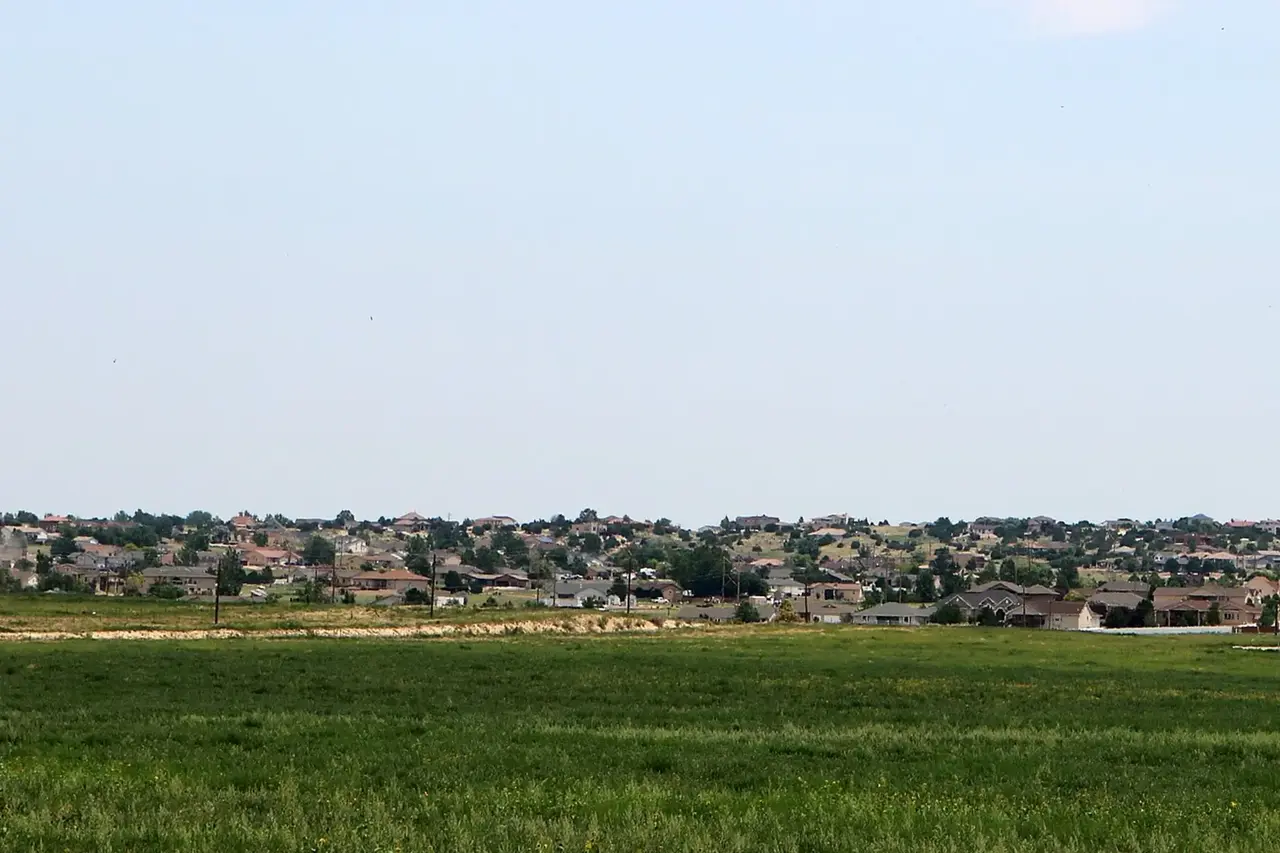
Pueblo West is a distinct community within Pueblo County rather than simply another Pueblo neighborhood. Its lower-density development, large residential parcels, newer and mixed-age construction, and varied wastewater arrangements create different service questions from a central-city property. Address, system type, access, and equipment needs should be confirmed before a request is scheduled.
A Pueblo West address may involve a public or district sewer connection, a private building sewer leading to an on-site wastewater system, or a property layout with long underground runs. The request should identify the wastewater destination and whether the suspected work involves cleaning, camera inspection, septic components, excavation, or structural pipe repair.
Pueblo West is maintained as a dedicated service location because sewer and septic arrangements, lot access, private utilities, and excavation conditions can affect the appropriate response. Providing those details at the start helps determine service coverage and the equipment needed for the property.
- Confirm the exact Pueblo West address
- Identify sewer or septic
- Describe lot access and private utilities
- Match the request with appropriate equipment